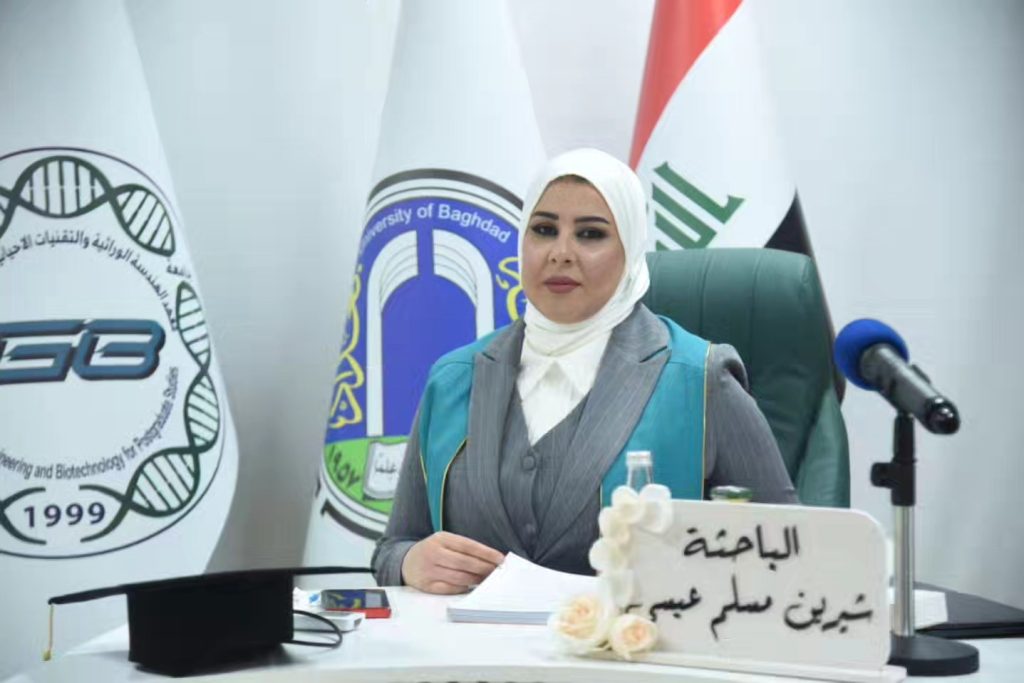
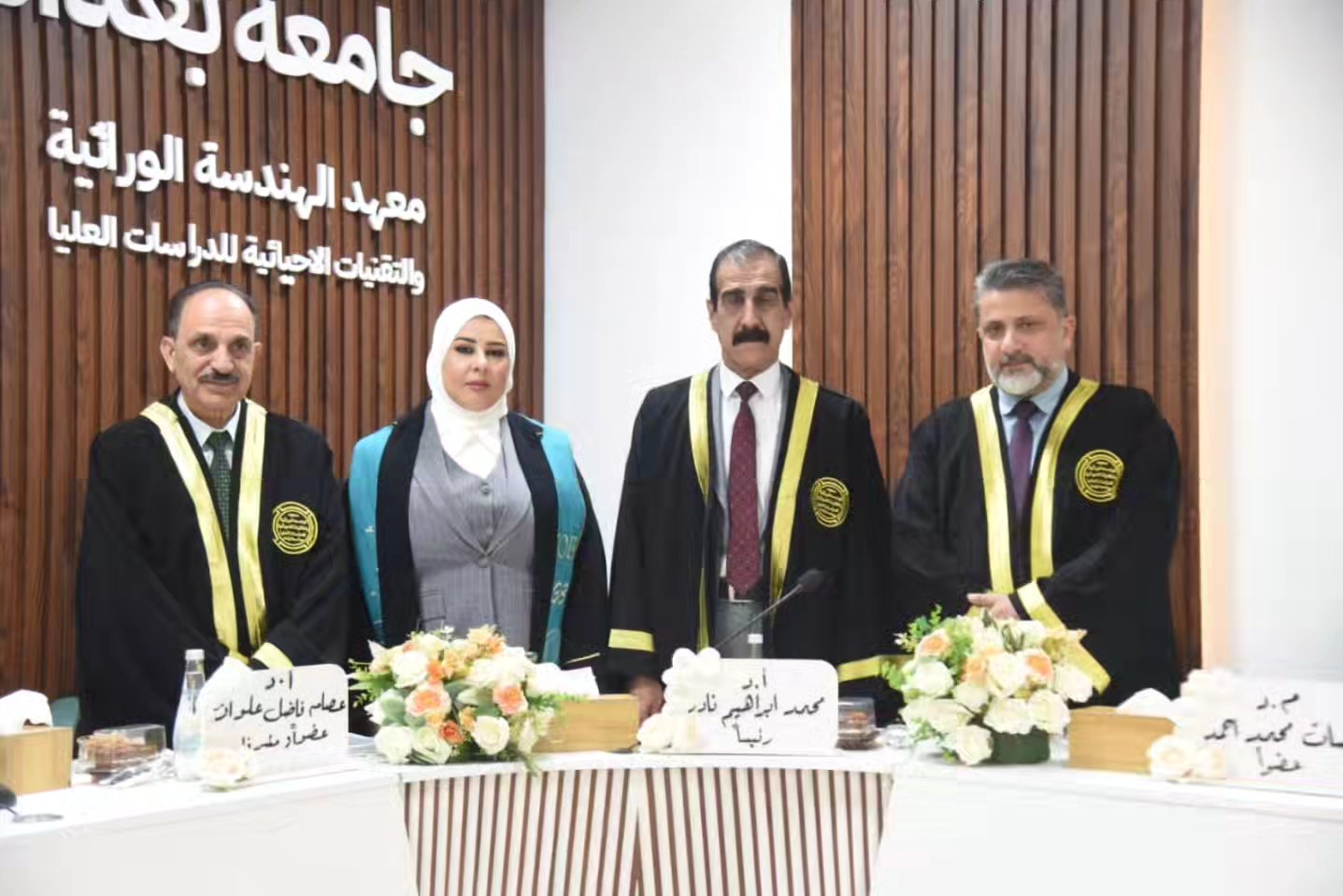
The Institute of Genetic Engineering and Biotechnology for Postgraduate Studies at the University of Baghdad discussed the Higher Diploma research report submitted by student Shireen Muslim Issa, entitled:
“Hormonal Disorders, Oxidative Stress, and Trace Element Imbalance in Diabetic Patients with Kidney Failure: A Clinical Study”,
under the supervision of Professor Dr. Issam Fadhil Alwan.
The study aimed to evaluate the levels of hormonal disturbances and oxidative stress markers, as well as to measure trace element levels in patients with diabetes suffering from chronic kidney failure, and to compare them with a healthy control group. It also examined the relationship between these variables and kidney function indicators, including estimated glomerular filtration rate (eGFR), urea, and creatinine.
The study included measuring levels of parathyroid hormone and prolactin, assessing oxidative stress markers, and determining serum concentrations of iron, zinc, and copper. Statistical correlations among these variables were analyzed to identify their role in the progression of diabetic nephropathy.
The results showed a significant increase in certain hormone levels and oxidative stress markers among patients compared to the control group, accompanied by a noticeable decrease in some trace elements. This indicates a clear metabolic and oxidative imbalance associated with kidney failure in diabetic patients.
The study recommended strengthening early screening programs and regular follow-up for diabetic patients to detect hormonal imbalances, oxidative stress disorders, and trace element disturbances, given their importance in limiting the progression of renal complications.
It also emphasized the importance of conducting expanded future research to better understand the pathological mechanisms associated with these variables and to develop therapeutic strategies that contribute to improving patients’ health status and quality of life.