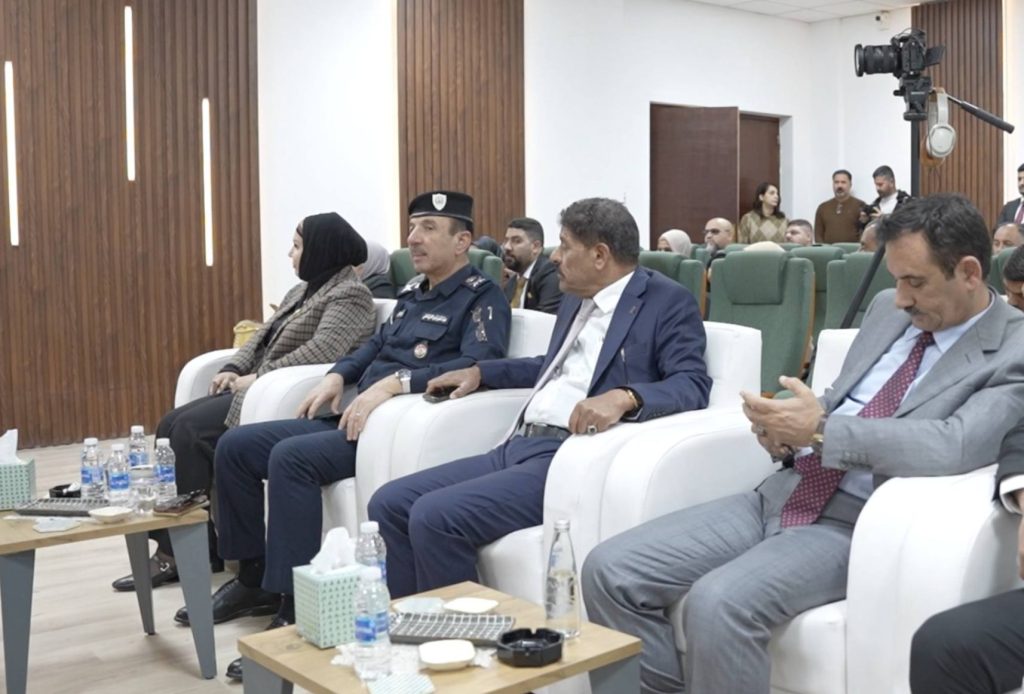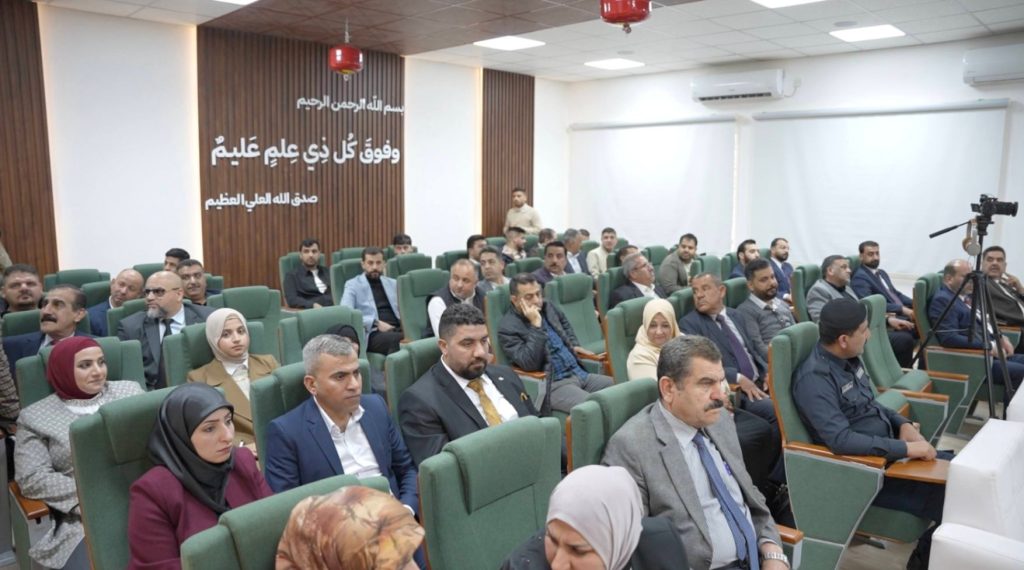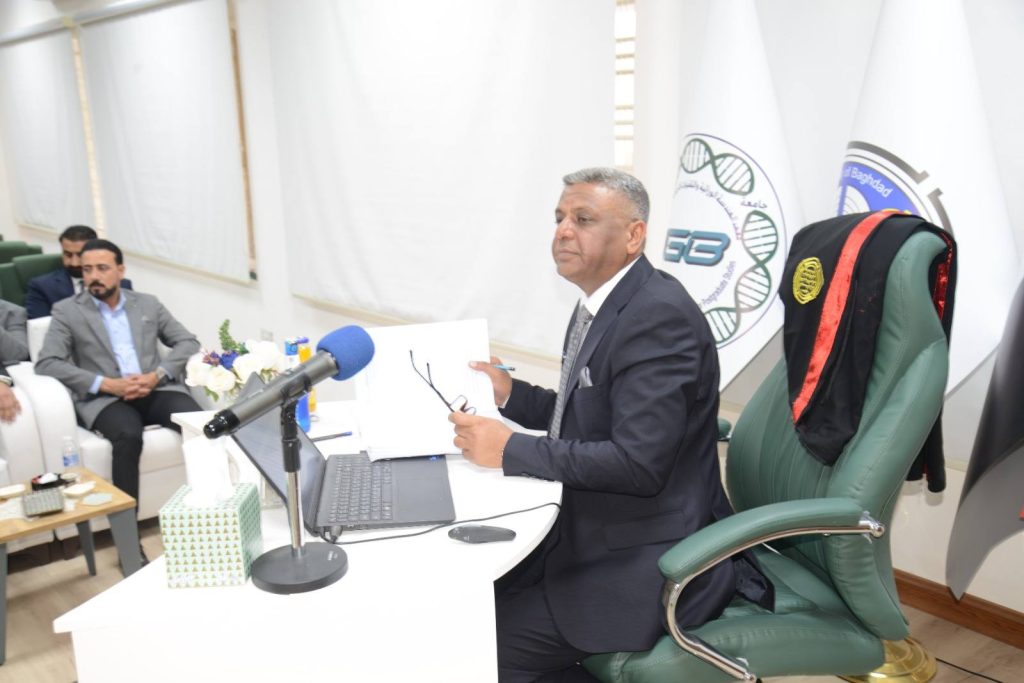
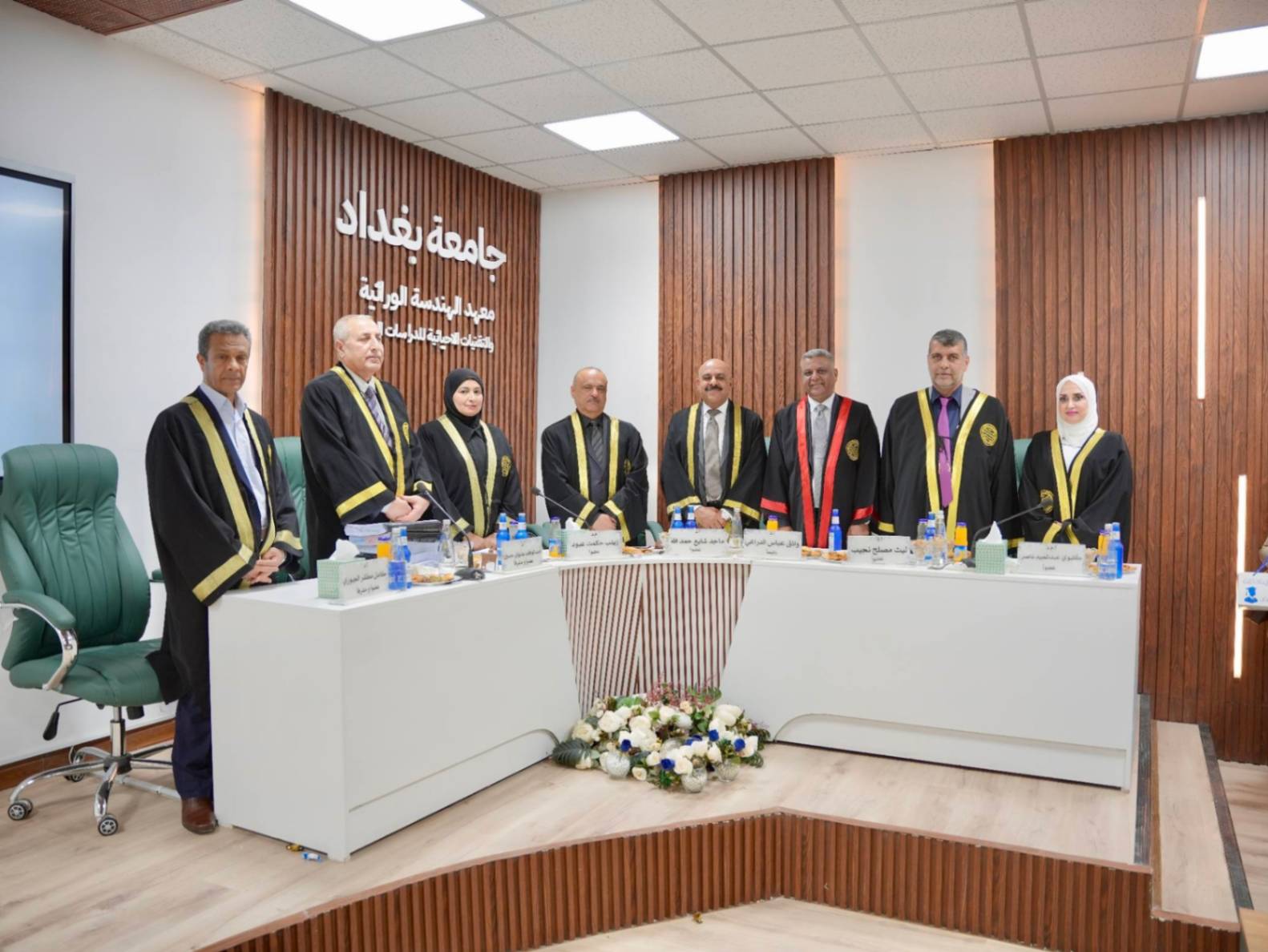
The Institute of Genetic Engineering and Biotechnology for Postgraduate Studies discussed the PhD dissertation submitted by doctoral candidate Mohammed Muhsin Abdul-Janabi, entitled:
“Molecular and Immunological Evaluation of Green-Synthesized Silver Nanoparticles Against Clinical Isolates of Uropathogenic Escherichia coli”,
under the supervision of Professor Dr. Kamel Matshar Al-Jubouri and external supervisor Professor Dr. Abdul Wahab Badiwi Hussein.
The study aimed to evaluate the molecular and immunological efficacy of garlic extract and green-synthesized silver nanoparticles against uropathogenic Escherichia coli, particularly antibiotic-resistant strains, and to assess their potential to reduce virulence factors and modulate inflammatory responses as a promising alternative to antibiotics.
The research included detection of the virulence genes stx1 and fimH, and analysis of fimH gene expression using qRT-PCR. It also involved the preparation and characterization of silver nanoparticles, testing their antibacterial and antioxidant activity. On the immunological side, a protein antigen was prepared and a Prime–Boost–Challenge immunization model was applied, with measurement of immune indicators including IgG, TNF-α, IL-6, and IL-1β, as well as evaluation of liver and kidney function to confirm biocompatibility and safety.
The study recommended expanding research on the molecular and immunological applications of nanotechnology and plant extracts as promising alternatives for combating antibiotic-resistant bacterial strains. It emphasized the need for broader clinical and molecular studies to verify long-term biocompatibility and to better understand the mechanisms of molecular and immune effects before practical application. Additionally, it recommended developing integrated therapeutic strategies that combine molecular and immunological effects to enhance treatment efficiency and support future clinical applications.